Wayfinding Signs in Chicago: Custom Signage Solutions That Improve Navigation and Brand Experience
.jpg)
Clear navigation plays a major role in how people experience any space. In busy commercial buildings, hospitals, schools, retail centers, hotels, and office campuses, visitors need clear visual guidance to move confidently from one location to another. That is why wayfinding signs have become an essential part of modern business environments. More than simple directions, they help create organized spaces, reduce confusion, and improve how people interact with a property.
For businesses investing in Wayfinding Signs in Chicago, the goal is often twofold: improve navigation and strengthen brand presentation. A professionally designed wayfinding system helps visitors find entrances, exits, departments, offices, and services while maintaining a polished and consistent visual identity throughout the property.
Why Wayfinding Signs Matter in Commercial Spaces
Every large or multi-use space depends on visual communication to guide people efficiently. Without proper signage, visitors often feel uncertain, ask for directions repeatedly, or miss important destinations.
Well-designed wayfinding signs help solve these problems by providing clear visual direction at every important decision point. They are commonly placed at entrances, hallways, elevators, stairwells, parking areas, and shared facility spaces.
Businesses use wayfinding signage to:
-
Improve visitor flow
-
Reduce confusion
-
Save staff time answering directions
-
Support accessibility
-
Create a professional environment
When signs are easy to read and strategically placed, customers and visitors feel more comfortable navigating the space.
Why Businesses Need Wayfinding Signs in Chicago
Chicago properties often involve complex layouts, multi-level buildings, and high visitor traffic. From downtown office towers to healthcare campuses and educational facilities, signage must perform well in busy environments.
Choosing Wayfinding Signs in Chicago means considering local traffic patterns, building layouts, and user experience. In urban spaces where people often arrive unfamiliar with a location, clear navigation becomes especially important.
Chicago businesses commonly install wayfinding systems in:
-
Office buildings
-
Medical centers
-
Universities
-
Retail complexes
-
Apartment communities
-
Hotels
-
Public facilities
In each case, signage helps visitors move efficiently while reducing delays and frustration.
Directional Signage Improves Visitor Confidence
A key part of any navigation system is directional signage. These signs provide simple visual instructions that tell people where to go next.
Directional signage often includes:
-
Arrows
-
Department names
-
Floor numbers
-
Room identification
-
Entrance and exit markers
-
Parking directions
When placed correctly, directional signage creates a natural path through a building or property.
For example, in a medical facility, visitors may need signs guiding them from reception to imaging, surgery, billing, or specialty clinics. In retail spaces, directional signage helps customers locate departments, elevators, or restrooms quickly.
The best directional systems use consistent fonts, colors, icons, and placement so visitors can easily understand each sign.
Custom Wayfinding Signs for Unique Spaces
Every building has a different layout, which is why custom wayfinding signs are essential for effective navigation.
Custom signage allows businesses to design signs based on:
-
Property size
-
Visitor flow
-
Brand colors
-
Architectural style
-
Accessibility needs
-
Department structure
A custom wayfinding plan ensures signs are placed where decisions happen naturally, such as intersections, hallways, lobbies, and entry points.
Materials commonly used for custom wayfinding signs include:
-
Acrylic panels
-
Aluminum signs
-
PVC displays
-
Vinyl graphics
-
Dimensional lettering
-
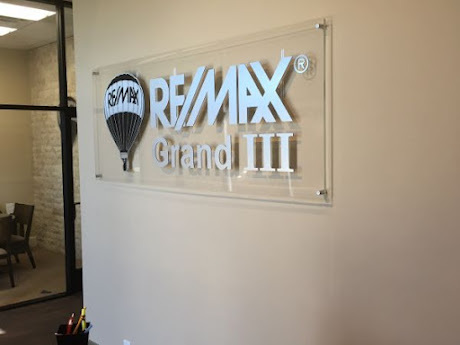
Engraved plaques
These materials can be adapted for indoor or outdoor use depending on the property.
Digital Wayfinding Signage for Modern Environments
Many businesses now choose digital wayfinding signage because it offers flexibility, interactivity, and real-time updates.
Digital wayfinding signage can include:
-
Interactive touchscreens
-
Digital directories
-
Electronic floor maps
-
Dynamic directional displays
-
Real-time room schedules
This type of signage is especially useful in:
-
Hospitals
-
Convention centers
-
Airports
-
Universities
-
Corporate campuses
Digital systems allow updates without replacing physical signage. If offices move, events change, or departments shift, information can be updated quickly.
In large Chicago properties, digital wayfinding signage also improves visitor independence because people can search destinations directly.
The Role of Branding in Wayfinding Design
Wayfinding signs should not feel separate from the business identity. Strong signage systems incorporate branding so navigation supports the overall visual experience.
Brand integration may include:
-
Company colors
-
Logo placement
-
Typography style
-
Architectural consistency
When visitors move through a property, every sign should feel connected to the environment.
For example, a luxury hotel may use elegant finishes and subtle directional signs, while a healthcare center may prioritize high contrast and universal readability.
Accessibility in Wayfinding Signage
Modern wayfinding systems must also support accessibility standards.
Important accessibility features include:
-
High contrast lettering
-
Tactile text
-
Braille elements
-
Proper mounting height
-
Clear iconography
Accessible signage ensures all visitors can navigate comfortably regardless of physical ability.
In busy public and commercial spaces, accessible design improves usability for everyone.
Outdoor Wayfinding for Large Properties
Wayfinding is not limited to interiors. Outdoor navigation is equally important, especially for campuses, parking areas, and large business developments.
Outdoor wayfinding signs often include:
-
Parking lot directions
-
Building numbers
-
Entrance identification
-
Drive-through lane guidance
-
Pedestrian route markers
In Chicago, where many properties have multiple entrances or shared parking, outdoor directional planning is critical.
Long-Term Benefits of Professional Wayfinding Systems
Businesses investing in professional signage often see long-term operational benefits:
-
Better visitor satisfaction
-
Improved first impressions
-
Fewer navigation errors
-
Stronger brand consistency
-
Reduced staff interruptions
A clear wayfinding system also supports smoother daily operations in busy environments.
Conclusion
A well-planned signage system transforms how people experience a space. Whether guiding visitors through offices, hospitals, schools, retail properties, or public buildings, professional wayfinding signs improve clarity, comfort, and confidence.
From practical directional signage to advanced digital wayfinding signage and fully custom wayfinding signs, businesses choosing Wayfinding Signs in Chicago benefit from signage that supports both navigation and brand identity.
For businesses planning high-quality signage solutions, Captivating Signs delivers custom designs that help properties stay organized, professional, and easy to navigate.

Comments
Post a Comment